
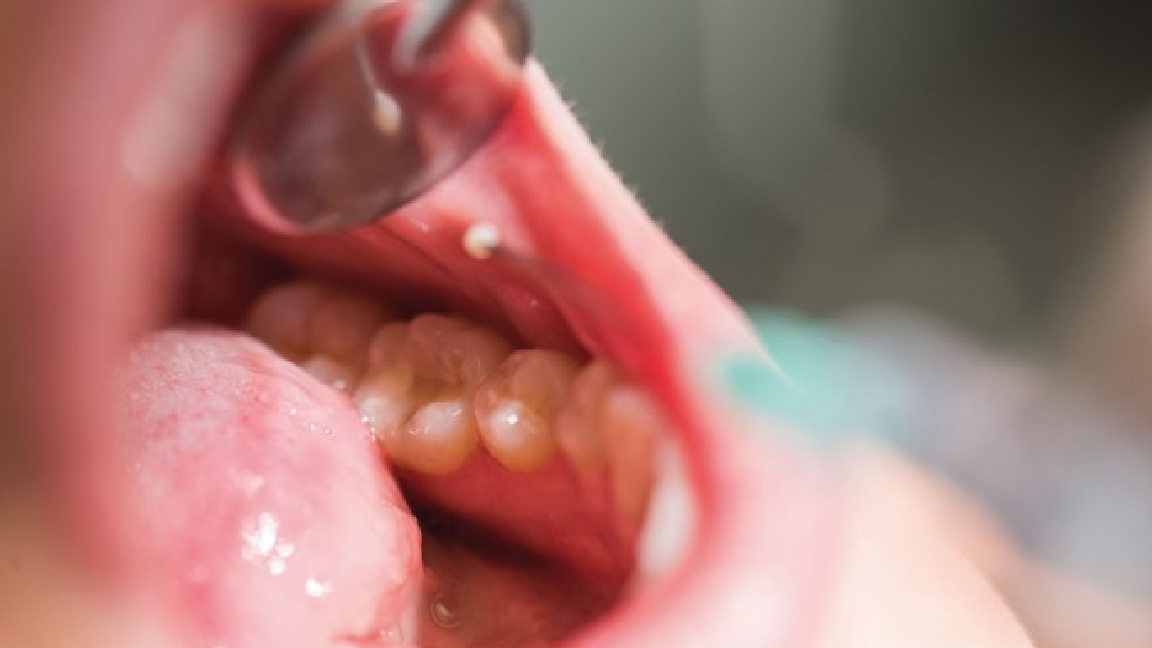
Routine dental visits are about more than checking for cavities. Your dentist also examines the soft tissues of your mouth, tongue, throat, and surrounding areas for changes that may need attention. One important part of this preventive care is an oral cancer screening.
At Lompoc Family Dental, an oral cancer evaluation is included as part of comprehensive and routine examinations. The goal is not to diagnose cancer during a regular dental visit. Instead, the dentist looks and feels for unusual areas that may require monitoring, additional evaluation, or referral.
Because early oral changes may be painless or easy to overlook at home, understanding what happens during an oral cancer screening in Lompoc can make preventive dental care feel more useful and less mysterious.
What Is an Oral Cancer Screening?
An oral cancer screening is a visual and tactile examination of the mouth, lips, tongue, throat, face, and neck. It is usually performed during a comprehensive or periodic dental examination and typically takes only a few minutes.
The dentist is looking for tissue that appears different from the surrounding area. This may include a sore that has not healed, a red or white patch, a lump, an area of thickening, unexplained bleeding, or another change that does not have an obvious cause.
A screening is not the same as a biopsy and does not provide a final diagnosis. Most unusual areas found in the mouth are not cancer. However, anything that appears suspicious or persists may need to be rechecked or evaluated by an appropriate specialist.
What Does a Dentist Check During an Oral Cancer Exam?
A thorough examination is systematic. Rather than looking at one single spot, the dentist evaluates several areas inside and outside the mouth.
Face, Jaw, and Neck
The examination may begin outside the mouth. Your dentist may look for asymmetry, visible swelling, or skin changes and gently feel along the jaw and neck for unusual tenderness or enlarged lymph nodes.
Lips and Inside of the Cheeks
The lips and inner cheek lining are checked for sores, color changes, irritation, thickened areas, or growths. Dentures, biting habits, or other sources of friction can cause benign irritation, so the appearance and history of a spot are both important.
Gums, Floor of the Mouth, and Palate
Your dentist examines the gums and the tissues beneath the tongue as well as the hard and soft palate. These areas can be difficult to inspect clearly on your own, which is one reason routine dental examinations are valuable.
Tongue and Throat
The top, sides, and underside of the tongue are inspected carefully. The dentist may gently move the tongue to improve visibility and may also look toward the back of the mouth and throat for abnormalities.
The process should not be painful. You may feel light pressure as the dentist checks the tissues, but there are no needles or invasive procedures involved in a standard visual and tactile screening.
Why Is Oral Cancer Screening Part of Preventive Dentistry?
Many people schedule dental visits because they want clean teeth or because something hurts. Preventive dentistry also focuses on finding changes before they create obvious symptoms.
Some oral and oropharyngeal cancers can begin with subtle changes that a patient may not notice. Dentists routinely work in areas of the mouth that are difficult to see at home, which puts them in a useful position to identify abnormalities that deserve follow-up.
At Lompoc Family Dental, routine preventive visits can also include an evaluation of the teeth and gums, professional cleaning, periodontal assessment, and diagnostic imaging when clinically appropriate. If you are new to the practice, your new patient visit provides an opportunity to establish a baseline for your oral health and discuss any changes you have noticed.
What Warning Signs Should You Mention to Your Dentist?
You do not need to wait for a routine appointment if something in your mouth feels unusual. Contact a dental or medical professional when a change persists, worsens, or does not have an obvious explanation.
Warning signs that deserve professional evaluation can include:
A sore, ulcer, or irritated area that does not heal as expected.
A red, white, or mixed-color patch inside the mouth.
A lump, thickened area, or unexplained swelling.
Unexplained bleeding or persistent pain.
Numbness of the lip, tongue, or another area of the mouth.
Difficulty chewing, swallowing, speaking, or moving the tongue or jaw.
A feeling that something is caught in the throat when there is no clear reason.
A persistent change in the way your teeth or dentures fit together.
A lump or enlarged area in the neck.
Many of these symptoms have causes unrelated to cancer, including infections, trauma, canker sores, dental problems, or irritation. The important point is not to self-diagnose. A persistent change should be examined so the cause can be identified.
How long should I watch a mouth sore?
Minor irritation from biting your cheek, a hot food burn, or a typical canker sore often improves on its own. If a sore or abnormal area is still present after about two weeks, repeatedly returns in the same place, becomes larger, or develops other concerning features, schedule an evaluation rather than continuing to wait.
Who Has a Higher Risk of Oral or Oropharyngeal Cancer?
Oral cancer can occur in people without obvious risk factors, which is why routine visual and tactile examinations are useful for adults generally. Certain factors can increase risk, however.
Tobacco use: Cigarettes, cigars, pipes, smokeless tobacco, and other tobacco products increase the risk of cancers involving the mouth and throat.
Heavy alcohol use: Alcohol is another major risk factor, and the combination of heavy alcohol and tobacco exposure raises concern further.
HPV infection: Certain strains of human papillomavirus are strongly associated with cancers of the oropharynx, including areas around the tonsils and base of the tongue.
Sun exposure: Long-term ultraviolet exposure can increase the risk of cancer involving the lip.
Age and health history: Risk patterns change with age and personal medical history, so keeping your dentist informed is important.
During your dental visit, be open about tobacco, alcohol, medications, previous cancers, and other health concerns. These details help your dentist interpret findings in the context of your individual risk.
Do You Need a Special Light or Test for Oral Cancer Screening?
For most routine examinations, the foundation of oral cancer screening is still a careful visual and tactile clinical exam. The dentist examines the tissues under good lighting and feels areas that may not be fully assessed by sight alone.
Some offices or specialists may use additional technologies in selected situations, but these tools do not replace a conventional examination or a biopsy when a lesion is genuinely suspicious. If your dentist sees something concerning, the next step depends on what the area looks like, how long it has been present, your symptoms, and your health history.
What Happens If the Dentist Finds Something Unusual?
Finding an unusual area does not mean that you have cancer. Mouth tissues can change for many reasons, including accidental biting, infection, friction, medication effects, dental appliances, and inflammation.
Depending on the appearance and likely cause, your dentist may:
Photograph or document the area and recheck it after a short interval.
Remove a possible source of irritation and monitor healing.
Recommend treatment for a dental or gum-related condition.
Refer you to an oral surgeon, oral medicine specialist, ENT physician, or another appropriate provider.
Recommend a biopsy when a definitive diagnosis is needed.
The purpose of follow-up is to avoid both extremes: ignoring a persistent abnormality and assuming that every unusual spot is dangerous.
How Oral Cancer Screening Fits Into a Complete Dental Checkup
An oral cancer examination is one part of a broader preventive visit. Your dentist may also evaluate tooth decay, existing fillings and crowns, gum health, bite changes, tooth wear, and areas that are difficult to see without imaging.
Dental X-rays are not used on an automatic schedule for every person. They are selected according to your clinical needs and risk factors. If you want more information about this part of the exam, read our guide to digital dental X-rays.
Combining the soft-tissue examination with routine dental and periodontal care gives your dentist a more complete picture of your oral health rather than focusing on a single tooth or symptom.
FAQs About Oral Cancer Screening in Lompoc
Does an oral cancer screening hurt?
No. A standard screening is visual and tactile. The dentist looks inside the mouth and gently feels certain tissues of the mouth, jaw, and neck. It generally takes only a few minutes and should not be painful.
Can a dentist diagnose oral cancer during a checkup?
A dentist can identify abnormalities that may need further evaluation, but a routine screening does not provide a definitive cancer diagnosis. When an area is suspicious, biopsy and microscopic examination are typically needed to determine exactly what it is.
Do I need an oral cancer screening if I do not smoke?
Yes. Tobacco is an important risk factor, but oral and oropharyngeal cancers can occur in people who have never used tobacco. Routine clinical examinations allow the dentist to look for changes regardless of risk level.
Is oral cancer screening included in a routine dental exam?
At Lompoc Family Dental, an oral cancer evaluation is part of comprehensive and routine examinations. The exact components of a visit can vary depending on your age, history, symptoms, and current oral health.
What should I do if I notice a lump or sore between dental visits?
Do not wait for your next scheduled cleaning if an area is persistent, worsening, unexplained, or concerning to you. Contact the dental office so the team can determine whether you should be examined sooner.
Make Preventive Dental Care Part of Your Routine in Lompoc
Oral cancer screening is a simple part of dental care that looks beyond cavities and cleanings. A few minutes spent examining the lips, tongue, gums, throat, and surrounding tissues can identify changes that may otherwise go unnoticed.
Lompoc Family Dental provides comprehensive preventive care for patients in Lompoc and the surrounding communities. If you are due for an exam or have noticed a persistent change inside your mouth, schedule an appointment with Dr. Dane Dudley and the Lompoc Family Dental team.


