
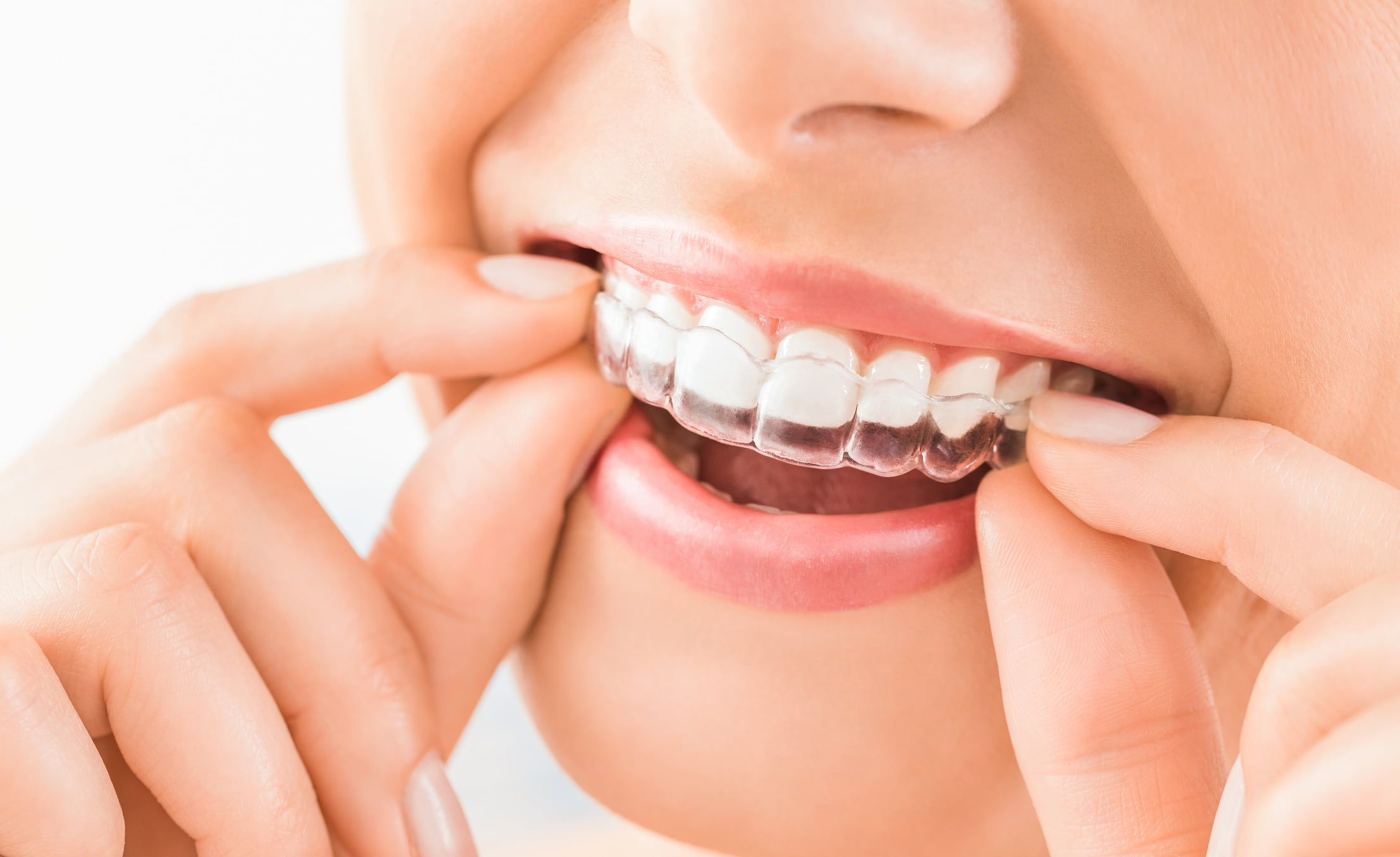
Starting Invisalign can be exciting because you finally have a plan for changing your smile. The first month can also bring a lot of practical questions: How tight should the aligners feel? Can you drink coffee with them in? What happens if your speech sounds different? How do you keep the trays clear and fresh?
The good news is that most of the adjustment happens quickly. During the first 30 days, patients mainly learn how to wear, remove, clean, and manage their aligners consistently. Once those habits become automatic, treatment usually feels much easier to fit into everyday life.
At Lompoc Family Dental, Dr. Dane Dudley uses digital technology and personalized treatment planning for Invisalign in Lompoc. This guide explains what you may notice during your first month and how to avoid the most common early mistakes.
Before Day One: What Happens When Invisalign Treatment Starts?
Clear aligner treatment begins before you ever wear the first tray. Your dentist evaluates your teeth, bite, gum health, and treatment goals to determine whether Invisalign is appropriate for your case.
Digital scans are used to create a 3D model of your teeth and plan a sequence of controlled movements. Depending on your treatment plan, small tooth-colored attachments may be bonded to certain teeth. These attachments give the aligners additional grip so they can apply force in specific directions.
You will also receive instructions about how long to wear each set, when to change to the next aligner, how to clean your trays, and when your progress should be reviewed. Follow the schedule provided for your case rather than copying someone else’s routine online.
Your First 48 Hours: Pressure Is Normal, Sharp Pain Is Not
When you insert a new aligner, it should feel snug. This pressure is how the appliance delivers the gentle forces needed to move teeth.
During the first day or two, you may notice:
Pressure or tenderness when biting.
Mild soreness around teeth that are beginning to move.
A feeling that the trays are very tight when inserting or removing them.
Minor irritation of the cheek, lip, or tongue while your mouth adapts.
A stronger awareness of your teeth than usual.
These sensations generally become less noticeable as you adapt. A new set of aligners may create some temporary pressure again each time you advance to the next stage.
Severe or worsening pain, a tray that will not seat properly, a sharp edge that repeatedly injures the tissue, or a tooth that feels unusually painful should be discussed with your dental team.
What helps with early Invisalign soreness?
Choose softer foods for a day or two if chewing feels uncomfortable. Keep your aligners in according to your prescribed schedule rather than repeatedly removing them because of pressure; frequent wear helps your mouth adapt and allows the planned movement to continue.
If you need medication for discomfort, ask your dentist or physician which option is appropriate for you based on your medical history and other medications.
How Many Hours a Day Should You Wear Invisalign?
Clear aligners only work while they are on your teeth. Consistent wear is one of the most important parts of treatment.
Many clear aligner plans call for approximately 20 to 22 hours of wear each day, but your dentist’s instructions take priority. Aligners are generally removed for meals, most drinks other than plain water, and oral hygiene.
A useful first-month habit is to think of removal time as a daily budget. Long breakfasts, repeated snacks, coffee breaks without the trays, and forgetting to put them back after brushing can add up quickly.
What happens if I forget to wear my aligners?
An occasional short lapse does not necessarily ruin treatment, but repeated under-wear can prevent a tray from fitting correctly and may slow planned movement. If an aligner starts to feel unusually loose in one area or will not fully seat on a tooth, contact the office rather than automatically moving to the next set.
Eating and Drinking With Invisalign During the First Month
One advantage of Invisalign is that the aligners are removable, so there is no long list of foods that are permanently off-limits. The trade-off is that you need a reliable routine every time you eat.
For most meals:
Remove the aligners with clean hands.
Place them in their case rather than wrapping them in a napkin.
Eat and drink normally.
Clean your teeth as directed before reinserting the trays.
Rinse or clean the aligners before putting them back in.
Plain water is generally the safest beverage while aligners are in place. Hot drinks can potentially distort some aligner materials, and dark or sugary beverages may stain the trays or allow sugar and acid to remain trapped against the teeth.
Can I drink coffee with Invisalign?
It is better to remove the aligners for coffee unless your dentist gives different instructions. Coffee can stain clear plastic, and adding sugar or sweeteners increases the concern about exposing teeth to sugar beneath the aligner.
If coffee is an important part of your routine, build it into your removal schedule rather than sipping slowly for hours.
Cleaning Your Aligners Without Damaging Them
During the first month, it is easy to focus so much on wearing the trays that cleaning becomes an afterthought. Clear aligners can accumulate saliva, plaque, and odor if they are not rinsed and cleaned regularly.
Basic care generally includes:
Rinse aligners when you remove them.
Use cool or lukewarm water rather than very hot water.
Clean them gently using the method recommended by your dental team.
Avoid abrasive products that can scratch the plastic and make it look cloudy.
Keep your case clean and allow it to dry.
Never place loose aligners in a pocket, purse, or on a restaurant table.
Your natural teeth also need consistent care. Brush and floss as directed, especially before putting aligners back in after meals. Good general dental care remains important throughout orthodontic treatment because straightening teeth does not protect against cavities or gum inflammation.
Will Invisalign Change the Way You Speak?
Some patients notice a slight lisp or extra saliva when they begin wearing aligners. This is usually most noticeable during the first few days because the tongue is adjusting to a thin layer of material covering the teeth.
Reading aloud, speaking normally, and keeping the trays in rather than constantly removing them can help your tongue adapt. For most patients, speech changes become much less noticeable once wearing the aligners feels normal.
If a speech problem persists or one tray feels unusually thick, distorted, or poorly seated, bring it to your dentist’s attention.
What Are Invisalign Attachments and Why Do They Feel Strange at First?
Attachments are small, tooth-colored shapes bonded to selected teeth. They are designed to work with the aligner so certain movements can be performed more effectively.
Without the aligners in, attachments may feel rough or prominent to your lips and cheeks at first. With the aligners inserted, they help the tray lock into the correct position.
You may need a little practice learning the easiest direction to remove your aligners around attachments. Do not pull aggressively from one side if the tray feels stuck. Your dental team can demonstrate a removal technique that protects both the aligner and the attachments.
Week Two: Your Routine Starts to Feel More Natural
By the second week, many patients notice that aligner care is becoming part of normal daily life. You may become faster at removing and reinserting the trays, more aware of your wear time, and better at planning meals and brushing.
This is also when small mistakes become obvious. If you routinely leave the aligners out for long periods, lose the case, snack constantly, or skip cleaning before reinsertion, treatment can feel more complicated than it needs to be.
A simple travel kit can make the routine easier. Consider keeping a case, toothbrush, toothpaste, floss, and any dentist-recommended aligner supplies in your bag, desk, or car.
Changing to Your Next Set of Aligners
Your treatment plan will tell you when to advance to the next set. Some patients change aligners weekly, while others follow a different interval based on the movement being performed and how their teeth are tracking.
When you switch, the new tray should usually feel tighter than the one you just finished. That does not mean it should be forced over a tooth when it clearly does not fit.
Before advancing, make sure the current aligner is seating well and follow the schedule from your dentist. If a tray is lost, broken, or not tracking correctly, call the office for instructions. Do not simply skip ahead unless you have been advised to do so.
What Progress Can You Expect in the First 30 Days?
Some patients can see a small change in the first month, while others do not notice visible movement yet. Both can be normal. Teeth move in small, planned steps, and early stages may focus on creating space or adjusting positions that are not immediately obvious in the mirror.
The better measure of early progress is whether your aligners are seating correctly and whether you are following the prescribed wear schedule.
Lompoc Family Dental uses digital planning and may incorporate convenient progress monitoring depending on the individual case. The practice’s Invisalign program is designed around personalized treatment rather than a one-size-fits-all timeline.
Common First-Month Invisalign Mistakes to Avoid
Leaving trays out too long: Treatment depends on consistent wear.
Eating with the aligners in: Chewing can damage or stain them.
Drinking sugary beverages with trays in: Sugar and acid can remain against the teeth.
Using hot water: Excessive heat may distort the aligner.
Wrapping trays in napkins: This is one of the easiest ways to accidentally throw them away.
Skipping oral hygiene: Aligners do not prevent plaque, cavities, or gum inflammation.
Jumping ahead when a tray does not fit: Poor tracking should be evaluated rather than ignored.
Comparing your timeline to another patient: Treatment length and tray schedules depend on the movements your teeth need.
FAQs About Your First Month of Invisalign in Lompoc
Is the first week of Invisalign the hardest?
For many patients, the first several days require the most adjustment because the pressure, removal technique, cleaning routine, and sensation of wearing trays are all new. Once those habits become familiar, treatment generally feels much easier to manage.
Can I take Invisalign out for an important meeting or event?
Aligners are removable, but treatment depends on wearing them for the prescribed amount of time. A short removal for a specific reason may be manageable, but repeatedly taking them out for social situations can reduce wear time significantly. Ask your dentist if you have an upcoming event that may affect your routine.
Why is one tooth more sore than the others?
Different aligners may place more force on particular teeth at different stages. Mild localized tenderness can occur. Contact the office if pain is severe, worsening, associated with swelling, or feels different from normal orthodontic pressure.
What if I lose an aligner?
Call your dental team for instructions. Depending on where you are in the sequence, they may advise using a previous tray, moving forward, or replacing the lost one. The safest choice depends on your specific treatment plan.
How do I know if my Invisalign is tracking correctly?
A properly tracking aligner should fit closely over the teeth without obvious persistent gaps in areas that are supposed to be fully seated. Some small spaces can occur depending on the planned movement, so do not diagnose tracking problems on your own. If the tray no longer seats as expected, send a photo or contact the office for guidance.
How often will I need appointments?
The number and timing of visits depend on your case and the monitoring approach used. Lompoc Family Dental offers a technology-driven Invisalign experience that can reduce unnecessary office visits for appropriate patients while still allowing Dr. Dudley to monitor progress.
Start Invisalign With a Plan That Fits Your Life
Your first month with clear aligners is less about dramatic visible change and more about creating habits that make the rest of treatment successful. Consistent wear, thoughtful meal timing, good hygiene, and proper tray care all become much easier once they are part of your daily routine.
If you are considering clear aligners, Lompoc Family Dental provides personalized Invisalign treatment using digital planning and modern technology. Review our new patient information or schedule an Invisalign consultation with Dr. Dane Dudley to find out whether Invisalign is a good fit for your smile and lifestyle.


